Tourism
Beyond December: Inside Ghana’s Race to Build Tourism That Lasts All Year
Download free copy ↗Ghana’s tourism ambitions now depend on what happens after the festive season: the platforms, heritage assets and systems that turn visitor attention into a year-round economy.
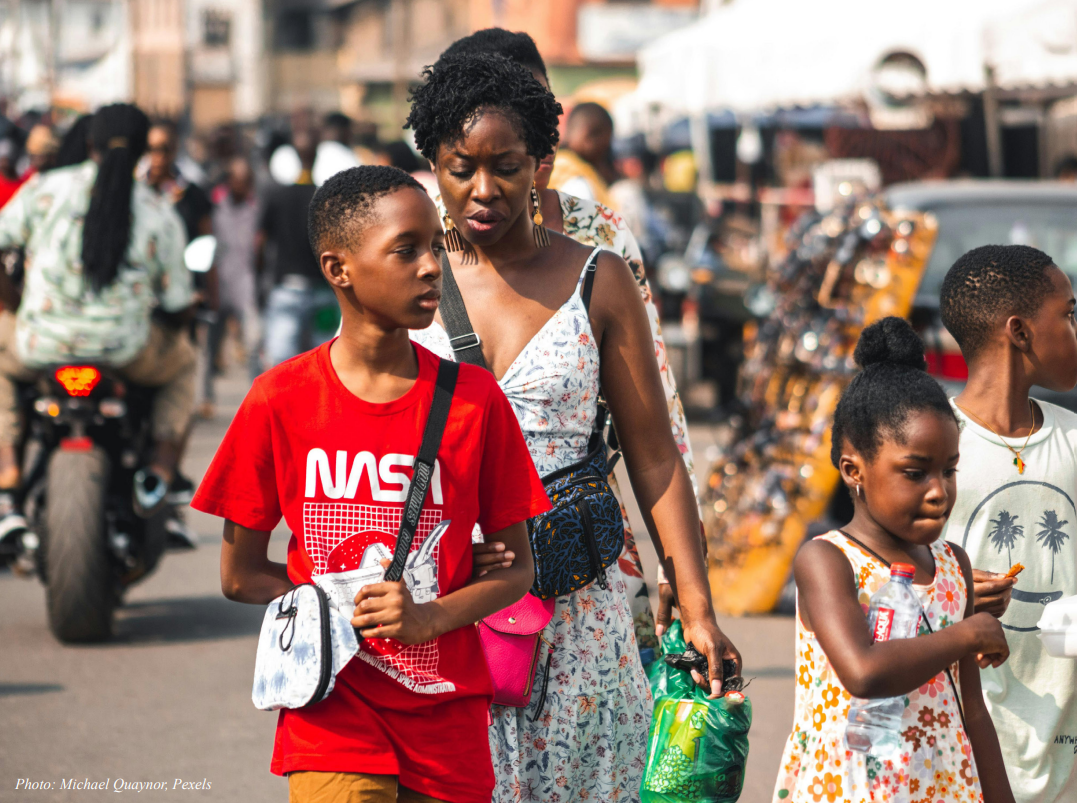
Ghana’s international tourism story is often told through a single month: a compressed burst of flights, hotel bookings, festivals and nightlife that makes Accra a global meeting point every December. But the harder question now is whether the country can turn that visibility into a visitor economy that works across the calendar — and beyond the capital.
The latest published reporting on Ghana’s 2025 tourism performance points to a tension worth watching. Visitor arrivals and domestic activity showed resilience, while tourism receipts fell year on year. The gap matters because arrivals are only one measure of a durable visitor economy; sustained spend, regional distribution and investable infrastructure determine whether growth reaches operators and communities beyond a seasonal peak. [1]
“Our goal is when we can tell the President the amount that has come into the sector. People are consuming tourism from the marketplace; that’s the vision.”
The infrastructure behind the invitation
The Ghana Tourism Development Company has positioned digital systems as one answer to that problem. Its Ghana Tourism Investment Platform is intended to profile investable opportunities, while the Ghana Tourism Marketplace is designed to connect visitors with bookable services. GTDC’s wider rollout also includes transport, event-discovery and site-based products, placing live information and supplier visibility at the centre of its growth strategy. [2]
Early use of a platform is not proof of transformation. Yet the reported December 2025 marketplace figures are valuable precisely because they are modest: 76 bookings generated ₵25,662.24 in gross revenue, with ₵102.24 in commission earnings and 21 services available to book. The results show a real transaction trail, while also revealing how far supplier participation and category depth still have to travel. [3]
Editorial image pending. Suggested supporting image: Ghana Tourism Marketplace or Ghana Tourism Investment Platform screenshot, or a representative digital-tourism image.
From heritage asset to working economy
The next test is physical as much as digital. Forts, castles, regional festivals, nature sites, conference facilities and local food economies can all contribute to a year-round offer, but only when access, maintenance, interpretation and local enterprise are treated as connected parts of the same system. The stated restoration and planning programmes should therefore be judged not only by announcements, but by completion, commercial access and the share of value that reaches local operators.
The measure of a longer season
The opportunity is not to diminish December. It is to give the month a stronger counterpart: a calendar of regional experiences, reliable booking systems, investable visitor assets and data that can show where demand is actually becoming revenue. For readers, investors and diaspora visitors, Ghana’s tourism story in 2026 is less about a single party season than a patient public-and-private bet on the machinery that makes every other month matter.
Several matters remain to be verified during reporting, including updated post-January platform performance, the status of individual heritage-restoration sites, and the final approved investment and delivery timetable for the 2026–2029 sector plan. Those details will determine whether the current ambition becomes a measurable year-round economy.