Enterprise
Turning Passion into Business: US-Based Film Entrepreneur Explores the Business of Amplifying Ghanaian Storytelling
Download free copy ↗Kobina de Graft-Johnson on building Anibok Studios, sustaining Ghanaian storytelling, and making a creative business work.
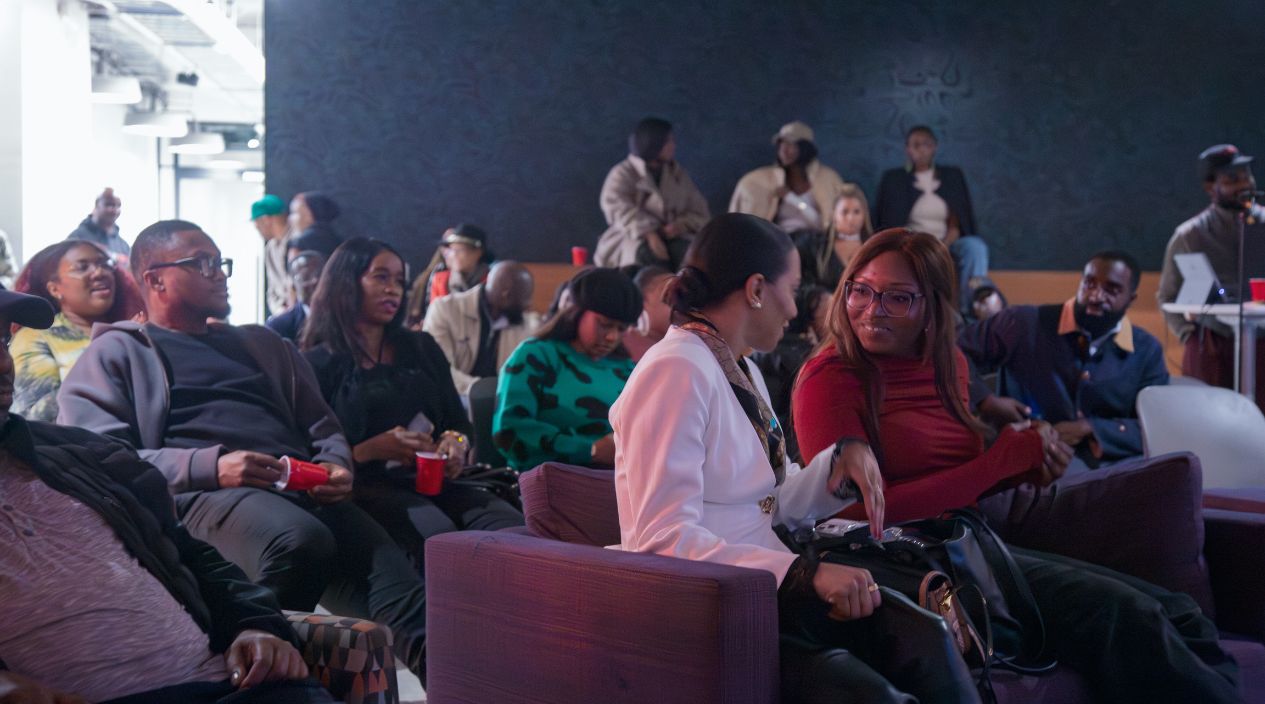
Kobina de Graft-Johnson has turned his passion for photography and filmmaking into his full-time business, and credits his accountancy background and the use of AI as key to his endurance in the film sector almost a decade on. hgjgh
Born and raised in Tema, Ghana, and now living in New Jersey, Kobina describes himself as a filmmaker-producer and founder and CEO of Anibok Studios, a production company built to make quality Ghanaian films.
“I love creating local-language Ghana stories anywhere I go,” says Kobina, who has been in the industry since 2018.
He recalls how an opportunity to film a family friend’s wedding kick-started his transition from accountancy into filmmaking. Learning to shoot and to understand storytelling gave him the feeling that there was a viable future in the work he loved.
That interest transitioned into film shorts and web series including the award-winning Barely Made, which won Best TV & Web Series at the London Pan African Film Festival in 2023. He has also produced Seguwa and Chain Link. The King of Tɛma, first imagined as a web-series pilot, is his first feature-length film. h
Putting Tema on the map
When we spoke, Kobina was promoting The King of Tɛma in New York City and New Jersey. In November 2025, the film premiered in Accra, Tema, Cape Coast—where his family hail from—and Kumasi.
The story follows the lengths one man, Paa Kwesi, is prepared to go to in order to save his dying mother, even if that means working for a notorious criminal in Tema. Kobina says it is the first of its kind to be shot in the port city, and he was intentional about working with a locally sourced film team as a way of investing in Ghana’s film sector.
“When we shoot films in Ghana, we are bringing our skills and sharing them back home. And the money we invest in these projects through hiring people contributes to the economy.”
“You could be a great filmmaker, but you still need a business to make it sustainable.”
Combining accountancy and film
“The King of Tɛma” was originally going to be a web series, but after the first episode Kobina quickly realised it was unsustainable. Production costs for one episode grew from $7,000 to around $20,000, including the expense and time of flying between New Jersey and Accra. With a collaboration from filmmaker Mark Cofie of Organized Khaoz, the 2023 pilot became a feature film costing over $50,000.
His accountancy background has been instrumental in balancing a passion for Ghanaian storytelling with the business of making it sustainable. Inspired by entrepreneurs including Byron Allen, he applies his accountancy knowledge to operating Anibok Studios.
“Film is a business, so the accounting structures the business and makes it more sustainable. That has been my superpower in this journey—understanding that filmmaking is not just the creative.”
Anibok Studios offers bespoke services to corporate clients needing to communicate their brands to the public. Revenue from this work is reinvested in the company’s filmmaking projects. Kobina hopes to make 100 films over the next decade, from under-told Ghanaian folktales to historical narratives reflecting culture, traditions, and key figures.
Working smarter
Kobina is harnessing AI technology to remain competitive. He already uses a team of five AI “employees” to help generate images, structure writing, create business plans, auto-respond to emails, and identify potential business opportunities.
He sees scope for AI to complement live-action films: “We can literally retell our history and reimagine it in motion.”
So what is next?
Anibok Studios’ next film project will be based in New York and called From Ghana With Love. It is a Ghanaian love story that Kobina is particularly excited about, alongside an initiative with Ghana’s National Film Authority that he remains tight-lipped about for now.
He is planning more screenings of The King of Tɛma in areas with large Ghanaian communities, potentially including London. Each screening makes room for Ghanaian food, music, and community alongside the film.
“I have come to realise that what I have been building is really that pipeline that allows us to get our content to these audiences,” he says. “Ghana is definitely an underserved market.”
Asked if he could be the Tyler Perry of Ghana, Kobina smiles and is not averse to the idea. “You have to give the customer what they want, and using local languages is one of the ways that Anibok achieves that.”
Source: Visit Anibok Studios ↗