Network
Beyond Consular Services: How Ghana’s High Commission is Repositioning Ghana for a New Era of Foreign Policy
Download free copy ↗TONE Magazine’s Matthew D. Young reviews how new key Ghanaian political figures, both diaspora and domestic, are at the forefront of reforming Ghanaian social and economic foreign policy to align with ambitions set out by Ghana President John Dramani Mahama.
For much of modernity, embassies and high commissions were viewed primarily as administrative institutions - places for passports, visas, legal documents, and ceremonial meetings. In today’s world, countries competing in a fast-moving global economy are demanding far more from their foreign missions. Diplomacy is now commercial and strategic.
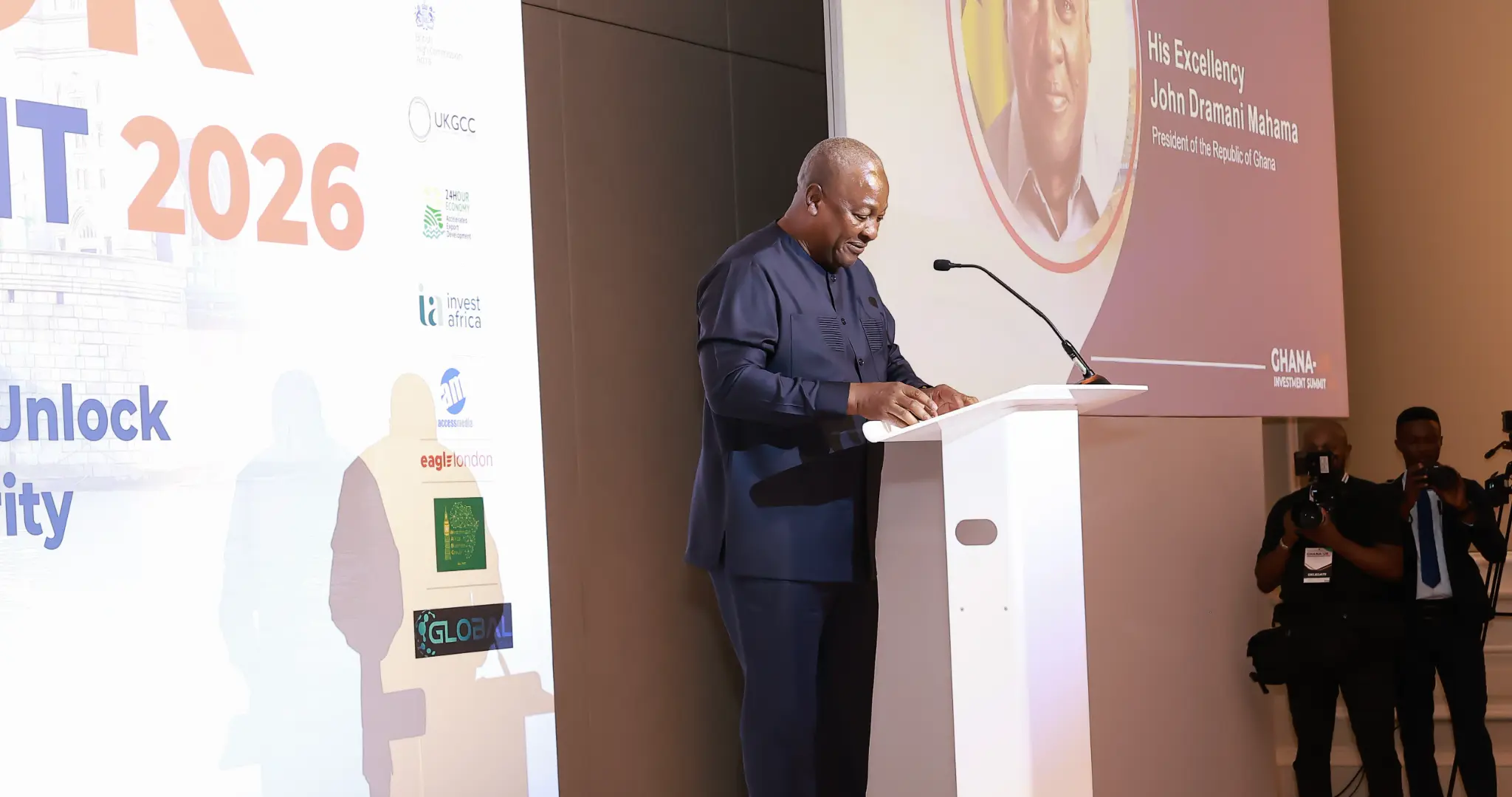
Under President John Dramani Mahama’s ‘Reset Agenda’, Ghana’s foreign missions are being repositioned as engines of economic diplomacy. The objective is to restore investor confidence, deepen strategic alliances, protect the rights of Ghanaians abroad, and ensure that Ghana competes globally with greater purpose.
“Ghana’s high commission in London now functions as a frontline platform for investment”
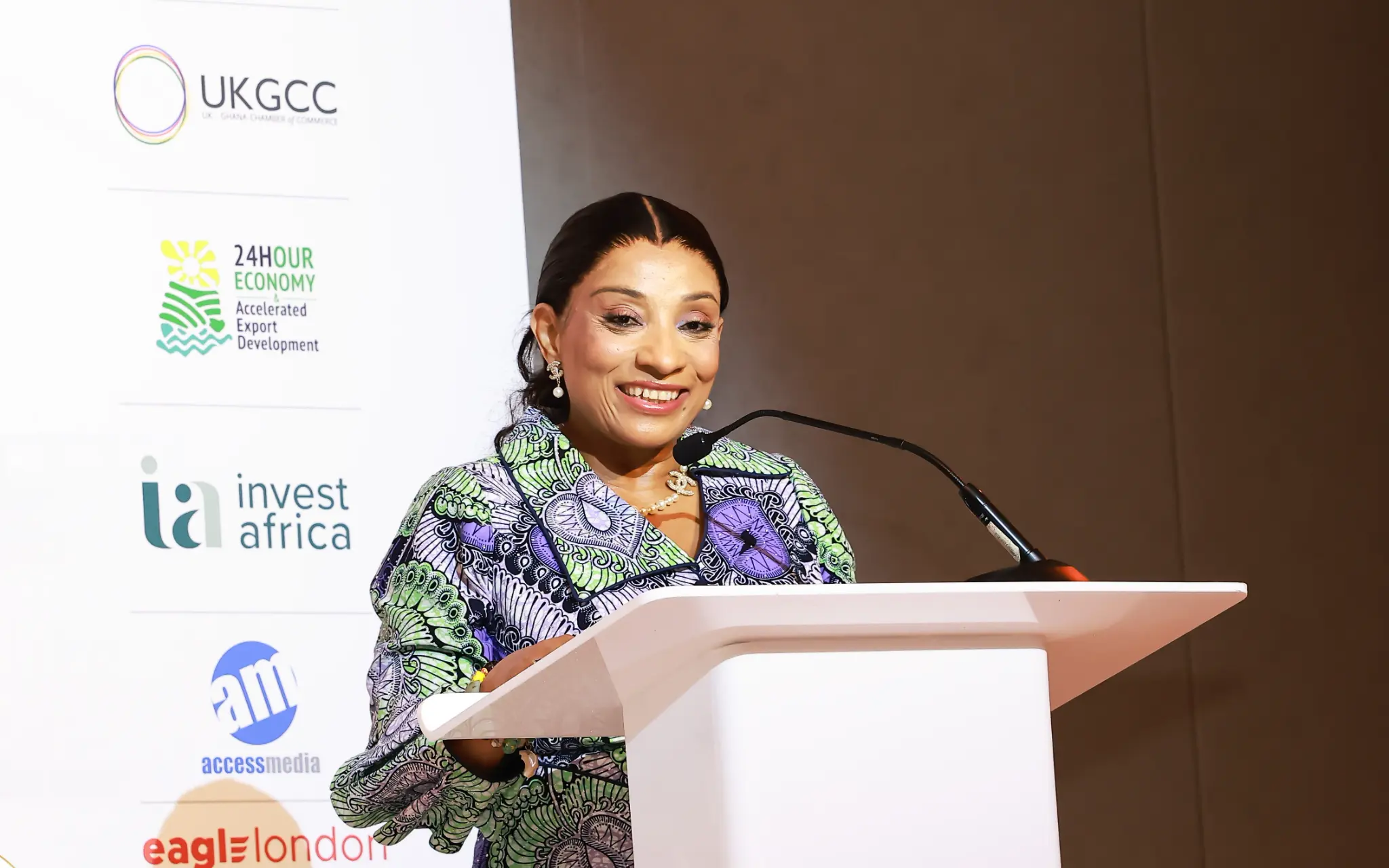
At the centre of that task in the UK is Her Excellency Mrs Sabah Zita Benson, Ghana’s first female High Commissioner to the UK and Ireland since the London mission was established in 1957. Upon her appointment, she told The Voice Newspaper that: “It is the reception of how my appointment was accepted that motivates me to do what I do. I realised that people really believe in me, and they expect me to do something different. So, once I got here, I decided that I was not going to let those people down.”
Economic activation
The UK is one of Ghana’s most important international relationships. The two countries share historical, educational, financial, and diaspora connections dating back to Ghana’s independence in 1957. Today, the relationship has evolved into something more commercially dynamic.
In her documentary, ‘Beyond Consular Services: Ghana’s Bridge to the United Kingdom’, filmed and produced by Eagle Media House, High Commissioner Benson outlined a vision that extends far beyond traditional diplomatic administration. Describing economic diplomacy as “a central pillar” of the mission’s work, she explained that the newly strengthened Trade and Investment Desk would act as “the engine” driving commercial ties between Ghana and the UK.
“Diplomacy is now commercial and strategic”
Ghana’s foreign missions are now being directed toward attracting investment and strengthening commercial cooperation with international partners. Part of that effort involves maximising the UK-Ghana Trade Partnership Agreement, which provides tariff-free access for many Ghanaian exports entering the UK market. According to High Commissioner Benson, improving product standardisation and export readiness is now a major priority in helping more Ghanaian businesses compete internationally. “Resolving this standardisation issue is a top priority,” she said, describing it as essential to “unlocking the full potential for Ghanaian entrepreneurs to access the UK market.” This lines up with the Mahama administration’s wider policy direction.
Diaspora as strategic capital
For years, remittances from Ghanaians abroad have played a massive role in supporting the national economy. According to World Bank data, remittance inflows to Ghana consistently exceed billions of dollars annually, making diaspora capital one of the country’s biggest financial lifelines. Yet, the High Commission’s new strategy aims to move beyond remittances alone.
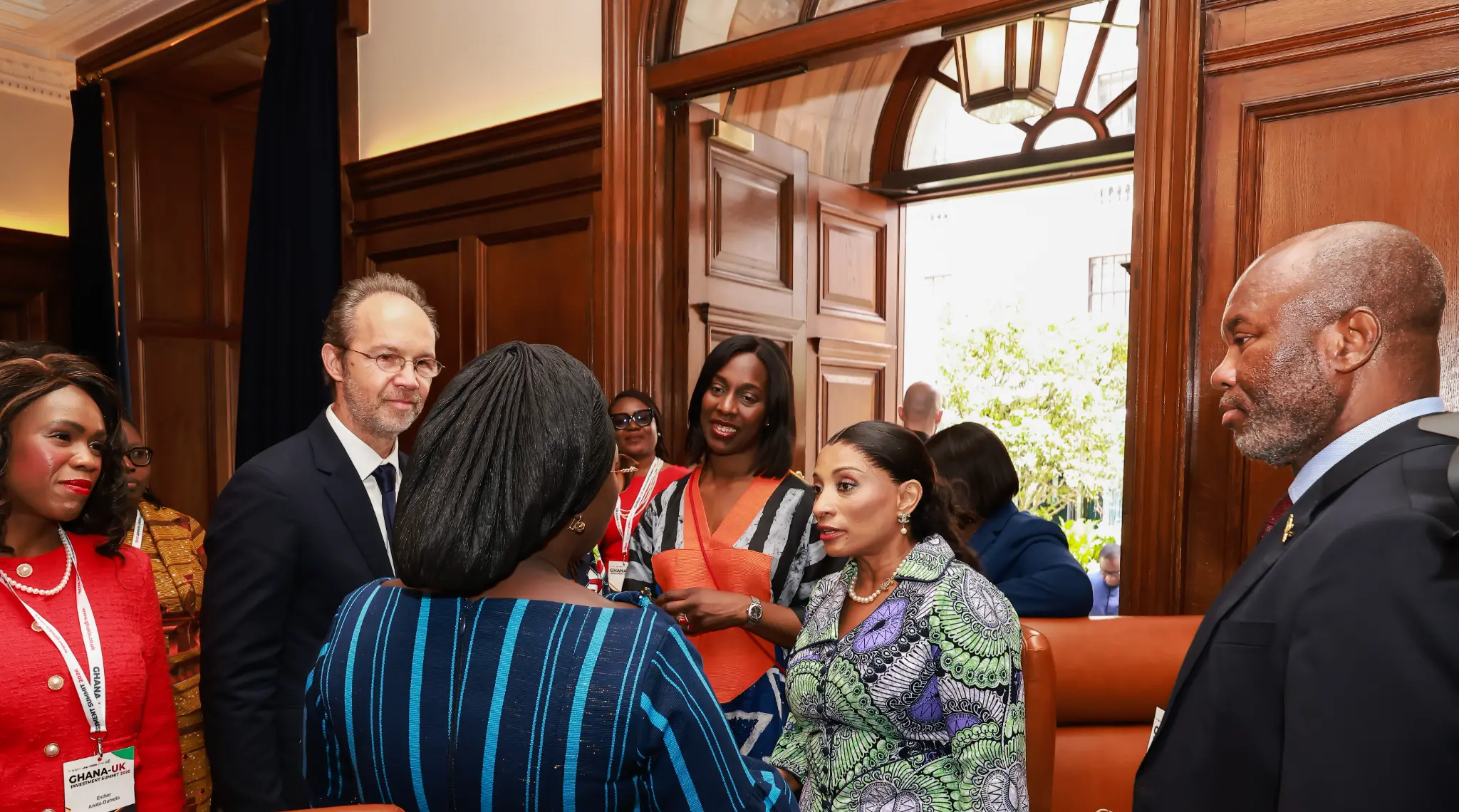
It now frames the diaspora as a long-term economic partner capable of driving investment, entrepreneurship, skills transfer, and global market access. High Commissioner Benson has also prioritised making the High Commission more physically accessible to Ghanaians living outside London through mobile consular services that will travel city-to-city across the UK. “We are starting with Manchester. We’re going to Liverpool. We’re going to Birmingham,” she explained. “The diaspora… is my priority. I’m here to serve them.” This reflects a broader understanding that modern migration relies primarily on building transnational networks of influence.
Economic diplomacy in practice
Since assuming office, High Commissioner Benson has steered the conversation around investment, trade, infrastructure, and Commonwealth cooperation. In October 2025, she met with Commonwealth Secretary-General Shirley Ayorkor Botchwey to discuss institutional reform, intra-Commonwealth trade, youth development programmes, climate resilience plans, and economic collaboration proposals.
At the same time, the High Commission has increased emphasis on promoting Ghana as a destination for infrastructure investment, tourism, technology partnerships, export growth, creative industries, and financial collaboration. The High Commission is also pushing for stronger visibility of value-added Ghanaian products within the UK market itself. Referencing Golden Tree chocolate, High Commissioner Benson remarked: “I’ve asked them to ensure that my favourite Golden Tree is on the shelves in London.” The statement reflects a wider economic ambition emerging across Ghana’s institutions: moving beyond raw commodity exports and building internationally recognised Ghanaian consumer brands. This is what diplomacy operating with commercial intent looks like. (To learn more about developments within the Ghana Cocoa market, please read our article ‘Made in Ghana’).
Ghana’s competitive position
Ghana is one of West Africa’s most politically stable democracies, with regular elections and peaceful transfers of power since the early 1990s. It also continues to hold strong positioning within sectors including gold production, cocoa exports, tourism, fintech, creative industries and regional trade.
The government’s new messaging presents Ghana as a reliable gateway into wider African opportunities. This identification matters to global investors prioritising governance stability, regulatory transparency, and institutional reliability when deciding where to allocate long-term capital. Countries capable of combining economic opportunity with predictable governance structures are significantly more competitive globally than their counterparts.
A new era of execution
The most noticeable change under this administration is the language of execution. The ‘Reset Agenda’ has framed governance around restoring confidence in state institutions and accelerating implementation across sectors. That alteration is reflected in the language coming from Ghana’s diplomatic leadership. “We have to promote each other. We have to help each other. We have to have a change of mindset,” High Commissioner Benson said. “We have to be positive about our country.”
In many ways, Ghana’s High Commission in London now functions as a frontline platform for investment, digital engagement, and global ambition.
African diplomacy used to be viewed through the lens of aid, administration, and protocol. Ghana’s posture is now rewriting the story, concentrating on influence, partnership, and economic positioning more than ever before. And in London, one of the world’s most influential financial and diplomatic capitals, Ghana is signalling that it intends to compete globally with far greater coordination, confidence, and execution than ever before.
“Ghana’s posture is now rewriting the story”